
Introduction:
The historical relationship between Métis Scrip and the creation of Manitoba is a complex narrative that intertwines the aspirations of the Métis people with the political and territorial transformations of Canada in the late 19th century. To discern whether Métis Scrip was given directly because of the creation of Manitoba, one must delve into the historical context surrounding both events.
The Creation of Manitoba:
The creation of Manitoba in 1870 marked a pivotal moment in Canadian history. As part of the negotiations that led to the admission of Manitoba into Confederation, the Métis people played a crucial role. Led by Louis Riel, the Métis sought recognition for their distinct identity and land rights. The Manitoba Act of 1870, which established the province, acknowledged the Métis’ contribution and granted them certain land rights. However, the promises made during this period were not fully realized, leading to subsequent measures such as Métis Scrip.
Métis Scrip: A Consequence of Unfulfilled Promises:
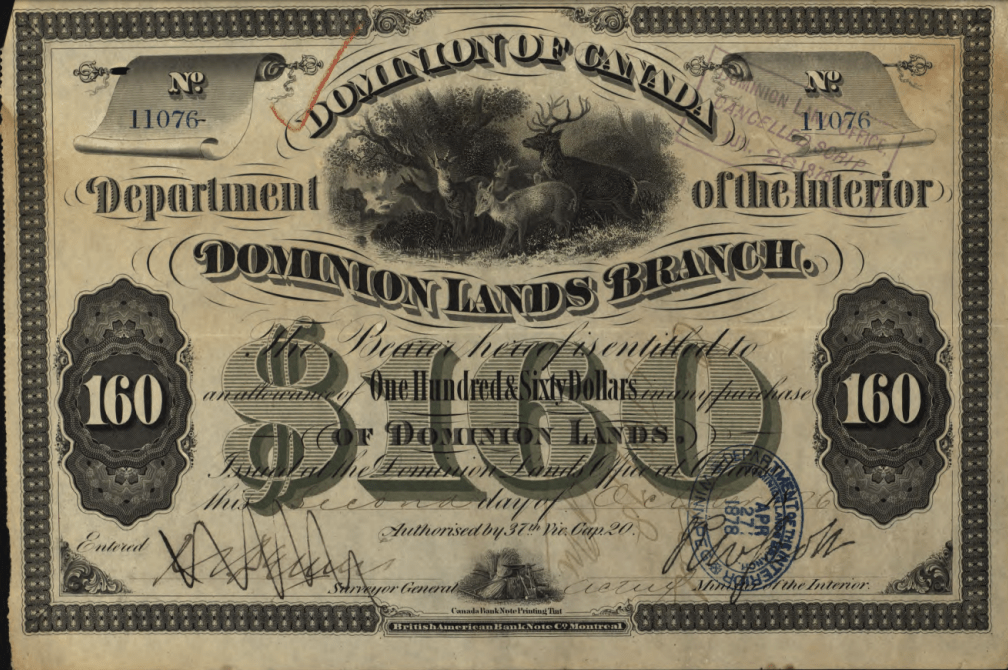
Métis Scrip emerged as a response to the unfulfilled promises of land rights outlined in the Manitoba Act. The Canadian government, recognizing the challenges faced by the Métis due to the rapid settlement of the West, introduced the scrip system as a form of compensation. The intent was to provide the Métis with a means to secure land elsewhere, reflecting a policy designed to address the socio-economic impact of the creation of Manitoba.
The Connection between Métis Scrip and Manitoba:
While Métis Scrip was not directly linked to the establishment of Manitoba, it was a subsequent measure aimed at addressing the aftermath of that historic event. The creation of Manitoba set in motion a series of negotiations and promises, and Métis Scrip can be viewed as one of the outcomes of these negotiations. The scrip was a mechanism to address the displacement and dislocation experienced by the Métis as settlers moved into their traditional territories.
Challenges and Unintended Consequences:
Despite the intentions behind Métis Scrip, its implementation faced numerous challenges. Bureaucratic delays, inadequate compensation, and the provision of less-than-desirable lands for settlement all contributed to the dissatisfaction and disillusionment of the Métis population. The scrip system, in many ways, fell short of addressing the complex issues arising from the creation of Manitoba, leaving a lasting impact on Métis communities.
Conclusion:
In conclusion, while Métis Scrip itself was not given directly because of the creation of Manitoba, the two are intricately connected in the broader context of Métis land rights and the socio-political developments of the late 19th century. Métis Scrip can be seen as a consequence of unmet promises and an attempt to mitigate the challenges posed by the creation of Manitoba. Understanding this historical interplay is essential for a comprehensive grasp of the struggles faced by the Métis people during a pivotal period in Canadian history.
 tilixam
Leave a comment