
Introduction:
In Canadian history, the Métis people hold a unique and often overlooked position. Descendants of Indigenous and European ancestry, the Métis played a crucial role in the development of Canada, particularly in the western regions. However, their struggle for recognition and fair treatment is a story marked by broken promises and failed policies. One policy that stands out is the issuance of what was called “Métis Scrip”, a supposed remedy that never truly addressed the concerns of the Métis population.
Understanding Métis Scrip:
Métis Scrip was a form of land grant or script issued by the Canadian government in the late 19th and early 20th centuries. It was intended to address the land rights of the Métis people, who found themselves caught in the midst of a rapidly changing landscape as European settlers encroached on traditional Métis territories. The government believed that providing scrip would compensate Métis individuals for the loss of their lands and facilitate their integration into the expanding Canadian society.
Eligibility for Métis Scrip was primarily based on the recognition of Métis ancestry. Those who could prove their Métis heritage, often through genealogical documentation, were eligible to apply for scrip. The intention was to assist Métis individuals in coping with the impacts of land dispossession and to provide a means for them to secure new lands for settlement.

The Broken Promise:
While Métis Scrip seemed like a well-intentioned solution on paper, the reality was far from the promised benefits. The distribution of scrip often faced bureaucratic delays, leaving many Métis families in limbo for extended periods. Additionally, the value of the scrip was often grossly inadequate compared to the true value of the lands being relinquished. This left Métis individuals with insufficient resources to establish themselves in a rapidly changing economic and social landscape.
Adding to the disillusionment, the lands that Métis individuals were allowed to purchase with scrip were often undesirable for farming purposes. These were not prime lands that any farmer would willingly homestead. This deliberate choice of less fertile or less arable land further undermined the promised prosperity and self-sufficiency that Métis individuals were led to believe they could achieve.
Furthermore, the scrip system failed to consider the communal nature of Métis land use. Métis communities had historically operated on a communal basis, sharing resources and living in harmony with the land. The individualized nature of Métis Scrip disrupted these traditional communal structures, leading to the fragmentation of Métis territories and communities.
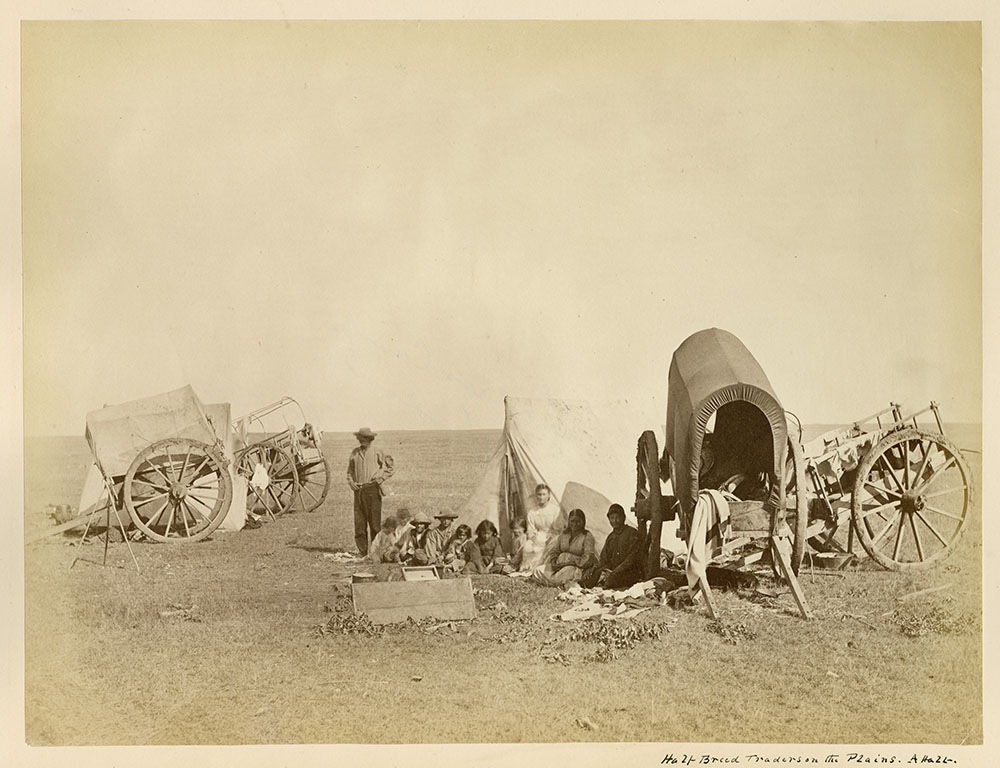
The Impact on Métis Communities:
The consequences of Métis Scrip were profound and far-reaching. Many Métis families, instead of prospering as intended, found themselves marginalized and impoverished. The promised integration into mainstream society became a struggle as economic opportunities were limited, and the scrip failed to provide the means for sustainable livelihoods.
The forced displacement resulting from scrip distribution disrupted the social fabric of Métis communities. Families were torn apart, and traditional ways of life were eroded. The sense of identity and cultural continuity that the Métis people had maintained for generations was severely compromised.
Conclusion:
In retrospect, Métis Scrip stands as a stark example of a well-intentioned policy gone awry. The failure of this land distribution system to uplift Métis communities highlights the need for a more nuanced and culturally sensitive approach to Indigenous issues. The legacy of Métis Scrip lives on in the challenges faced by Métis people today, reminding us of the importance of recognizing historical injustices and working towards genuine reconciliation and understanding.
 tilixam
Leave a comment